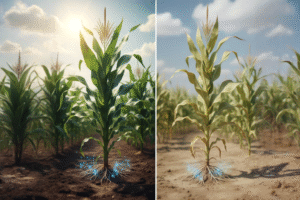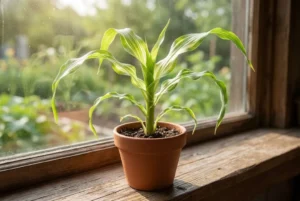

Phosphorus (chemical symbol P) is one of the major nutrients required by plants in significant amounts. It plays a central role in several physiological and biochemical processes within the plant, and its insufficient availability in the soil is a limiting factor for agricultural production in many regions.
Chemical Composition and Phosphorus Uptake
- Plants primarily absorb phosphorus in the form of inorganic phosphate (commonly denoted as Pi) from the soil.
- Phosphorus is often immobilized in the soil by binding with iron or aluminum ions in acidic soils, or with calcium in alkaline soils, reducing its availability to plants.
- Plants develop responses to overcome phosphorus deficiency, such as increasing lateral root growth, secreting organic acids that solubilize insoluble phosphates, and cooperating with mycorrhizal fungi to extend root reach.
Physiological and Biochemical Functions of Phosphorus in Plants
- Energy Transfer and ATP Production
Phosphorus is a key component of adenosine triphosphate (ATP) molecules, which are central to energy storage in cells. Insufficient phosphorus affects high-energy processes such as photosynthesis and respiration. - DNA and RNA Synthesis
Phosphorus is part of the structure of nucleic acids, contributing to cell division, growth, and reproduction. - Formation of Cell Membranes
Phospholipids constitute part of cell membrane structures, influencing cell permeability and responses to environmental changes. - Root Growth and Early Development
Seedlings require adequate phosphorus for healthy root growth, including lateral and fine roots, which facilitate water and nutrient uptake. Early phosphorus deficiency can limit crop yield even if corrected later. - Enhancement of Flowering, Fruit, and Seed Formation
Phosphorus aids the plant’s transition from vegetative growth to flowering, improving seed and fruit quality and yield. - Resistance to Abiotic Stresses
Adequate phosphorus improves plant resilience to stresses such as drought, salinity, and extreme temperatures. It also helps regulate stomatal opening and enhances physiological performance under suboptimal conditions.
Symptoms of Phosphorus Deficiency
- Slow plant growth, especially in young plants, and short stems. [Canadian Science Publishing]
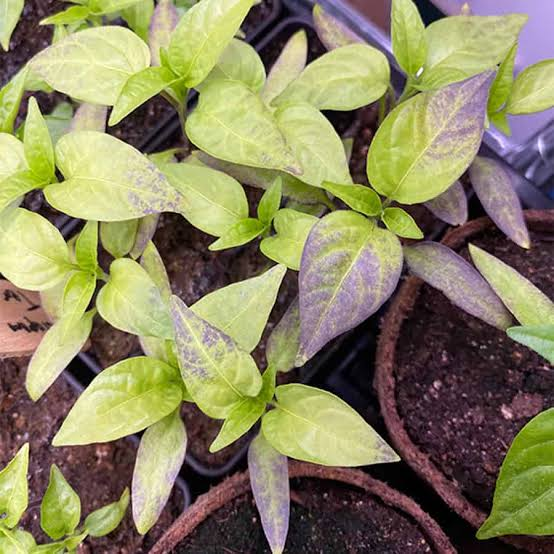
- Appearance of purple or reddish color on older leaves, particularly lower leaves, due to accumulation of compounds such as anthocyanins. [Jurnal.UNS]
- Poor flowering and fruit formation, delayed maturity. [Jurnal.UNS]
- Possible reduction in total chlorophyll content, affecting photosynthetic efficiency. [MDPI]
Factors Affecting Phosphorus Availability
| Factor | Effect on P Availability |
|---|---|
| Soil pH | In highly acidic soils, phosphorus binds with iron and aluminum; in alkaline soils, with calcium. |
| Temperature | Low temperatures may slow microbial activity or phosphate movement toward roots. |
| Moisture and Aeration | Dry soils or compaction reduce root mobility and contact with soil solution, limiting phosphorus uptake. |
| Competition or Interaction with Other Elements | Excess salts or elements such as iron, aluminum, calcium, or some heavy metal ions can bind phosphorus, making it unavailable. |
| Microorganisms and Mycorrhizal Fungi | These organisms enhance phosphorus absorption by extending root reach and/or secreting acids and enzymes that solubilize inorganic phosphate. |
Strategies to Improve Phosphorus Uptake and Use Efficiency
- Chemical Soil Amendment
- Adjust soil pH to the optimal range (often 6–7 for moderately acidic soils) to ensure phosphate solubility.
- Use appropriate phosphate fertilizers according to soil type and cropping conditions.
- Use of Phosphate-Solubilizing Microorganisms (PSMs)
- Bacteria or fungi that solubilize insoluble phosphate by releasing organic acids or phosphatase enzymes.
- Enhance interaction with plant roots to increase phosphorus uptake.
- Smart Fertilizer Application
- Early fertilization is crucial, as phosphorus deficiency in early stages significantly affects final yield.
- Use long-lasting or slow-release phosphate fertilizers.
- Integrated and Rotational Cropping
- Plant deep-rooted crops or those with strong mycorrhizal associations.
- Add organic plant residues and improve soil organic matter content to support microbial activity and aid phosphorus release.
Conclusion
Phosphorus is indispensable for plant growth, from seedling stage to flowering and fruit formation. Its deficiency has clear negative effects on crop yield and quality. Conversely, proper phosphorus management—including enhancing its availability in soil, using beneficial microbes, smart fertilization, and pH regulation—enables effective and sustainable agricultural production.
References
-
Khan, F., Siddique, A. B., Shabala, S., Zhou, M., Zhao, C. “Phosphorus Plays Key Roles in Regulating Plants’ Physiological Responses to Abiotic Stresses.” Plants, 2023. MDPI+1
-
Zhu, Y., Xing, Y., Li, Y., Jia, J., Ying, Y., & Shi, W. “The Role of Phosphate-Solubilizing Microbial Interactions in Phosphorus Activation and Utilization in Plant–Soil Systems: A Review.” Plants, 2024. MDPI
-
“Plant adaptation to low phosphorus availability: Core signaling, crosstalks, and applied implications.” Molecular Plant, 2022. ScienceDirect
-
“The importance of early season phosphorus nutrition.” Canadian Science Publishing
-
“Soil phosphorus transformation and plant uptake driven by phosphate-solubilizing microorganisms.” NCBI