

- Cell wall formation
- Transport of sugars and hormones
- Successful flowering and pollination
These processes lead to high-quality fruits. Careful management of boron ensures nutritional balance and healthy growth without causing toxicity that may harm crops.
Physiological Role of Boron
Boron enhances structural integrity between plant cells by forming pectin and polysaccharide compounds that maintain tissue rigidity and flexibility. It also contributes to:
- Activation of antioxidant enzymes
- Formation of ATP molecules for intracellular energy transfer
Other benefits include:
- Improving sugar transport from leaves to fruits, increasing total soluble solids (TSS) and enhancing flavor and color.
- Increasing plant resistance to environmental stresses such as drought, heat, and salinity.
Impact of Boron on Fruit Quality
The study covered crops such as pear, grape, apple, tomato, avocado, citrus, and berries, confirming that precise boron applications improve fruit quality traits.
1. Improving Texture and Firmness
Boron enhances the formation of cell walls rich in calcium and pectin, producing firmer fruits resistant to mechanical damage.
Example: In apple, a solution of Ca (2.5 g·L⁻¹) + B (2 g·L⁻¹) reduced bitter pit incidence by 35% compared to calcium alone.
2. Enhancing Flavor and Sugar Content
In tomato, foliar spraying with 5.7 mg·L⁻¹ H₃BO₃ increased TSS from 4.63°Brix to 5.13°Brix while maintaining balanced acidity (TTA).
3. Increasing Fruit Set and Yield
In Asian pear (Pyrus pyrifolia), foliar spraying with 300 mg·L⁻¹ H₃BO₃ increased fruit set by +25%.
Low-rate root applications (0.5–0.6 kg·ha⁻¹) improved flowering and fruiting in Passiflora edulis.
4. Enhancing Stress Resistance
Applications of 200–300 mg·L⁻¹ boosted antioxidant enzyme activity (catalase and peroxidase) and increased vitamin C content by up to 18% in some crops.
5. Improving Storage and Transportation
- Lower postharvest respiration rate
- Slower enzymatic pectin degradation
- Extended marketable life by 5–7 days (grape and peach)
Recommended Application Rates
| Crop | Application Method | Concentration / Rate | Observed Effect |
|---|---|---|---|
| Asian pear (Pyrus pyrifolia) | Foliar spray | 300 mg·L⁻¹ H₃BO₃ | Improved pollination and fruit set +25% |
| Blueberry | Foliar spray | 200–400 mg·L⁻¹ | Increased firmness and TSS +10–15% |
| Tomato | Foliar / Fertilization | 5.7 mg·L⁻¹ H₃BO₃ | Improved taste (°Brix +0.5) |
| Avocado (Hass) | Localized / Root application | 30 g per tree | Enhanced flowering and fruit set +20% |
| Apple | Combined Ca+B spray | Ca 2.5 g·L⁻¹ + B 2 g·L⁻¹ | Reduced bitter pit 35% |
| Passiflora (gulupa) | Soil fertilization | 0.6 kg·ha⁻¹ | Stimulated flowering and fruit set |
Toxicity Warnings
Toxicity starts at >4–5 mg·kg⁻¹ in soil or >100 mg·L⁻¹ in foliar applications for sensitive species.
Examples:
- Citrus: 100 g/tree of Na₂B₄O₇ → leaf burn and 40% yield reduction
- Strawberry: >500 mg·L⁻¹ → reduced fruit weight
Regular soil and tissue analysis before field application is essential.
Practical Recommendations
- Regular leaf analysis to assess boron status.
- Reduce rates in sandy or dry soils.
- Spray before flowering and at early fruit set.
- Avoid mixing boron fertilizers with sodium- or chlorine-containing products.
- Use low-salinity water (<2 dS/m) for spray solutions.
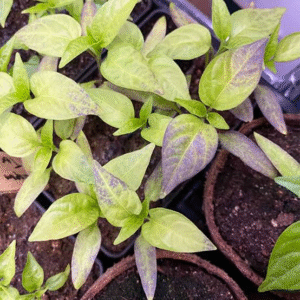
- Monitor toxicity symptoms: yellowing, leaf curling, burned edges, shoot tip death.
Conclusion
Boron is small in quantity but powerful in effect:
- Improves nutritional and physiological balance
- Enhances fruit firmness and resistance to mechanical damage
- Improves taste and sugar content
- Strengthens stress resistance
- Extends storage and transport life
“Boron is not an agricultural luxury; it is a precise scientific step to enhance crop quality and market value.”
Reference
Álvarez-Herrera, J. G.; Jaime-Guerrero, M.; Fischer, G. (2025).
The Effect of Boron on Fruit Quality: A Review. Horticulturae, 11(8), 992.
https://doi.org/10.3390/horticulturae11080992