
Nitrogen (N) is one of the essential macronutrients crucial for plant growth and achieving effective agricultural production. It is involved in the composition of amino acids and proteins, and contributes to photosynthesis and the regulation of various metabolic processes. In this article, we review its role, absorption mechanisms, deficiency symptoms, and best practices for efficient use, based on recent scientific research.
Forms of Nitrogen and Its Absorption
-
Plants primarily absorb nitrogen in inorganic forms: Nitrate (NO₃⁻) and Ammonium (NH₄⁺).
-
Some plants obtain part of their nitrogen from organic sources or through atmospheric nitrogen fixation by symbiotic bacteria (in leguminous plants).
-
Roots play a central role: the plant has specialized receptors and transporters to move nitrate and ammonium from the soil to root cells, then distribute them to the aerial tissues.
Physiological Functions of Nitrogen in Plants
-
Protein and Amino Acid Synthesis: Proteins form the basis for building cellular and organ tissues, and nitrogen is one of their main components.
-
Chlorophyll and Photosynthesis: Nitrogen is essential for chlorophyll formation, which allows plants to capture light and convert it into energy. Its deficiency reduces photosynthetic efficiency.
-
Vegetative Growth: Stimulates the production of leaves and stems from early growth stages, affecting biomass and light interception.
-
Control of Abiotic Stresses: Such as water stress, salinity, or temperature fluctuations; nitrogen contributes to enhancing plant response to these stresses and improving physiological resilience.
Nitrogen Deficiency Symptoms
| Symptom | Explanation |
|---|---|
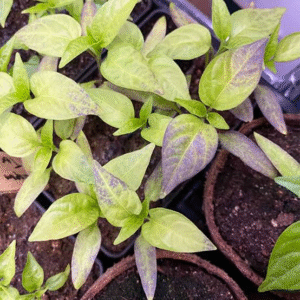
| Yellowing of older leaves (chlorosis) | Since nitrogen is mobile within the plant, it moves from older leaves to new ones when deficient. |
| Delayed vegetative growth | Due to lack of proteins and reduced full photosynthetic capacity. |
| Shortened stems and small leaves | The number of new cells is affected, slowing growth. |
| Delayed flowering and fruit formation | Nitrogen deficiency reduces the energy available for flowering and seed formation. |
Factors Affecting Nitrogen Availability
-
Soil pH: Soil with unsuitable pH reduces nitrate or ammonium absorption.
-
Soil Type and Physical Structure: Heavy or compacted soils reduce root mobility and access to nutrients.
-
Temperature and Humidity: Affect the activity of microorganisms that help decompose organic compounds and release nitrogen, as well as root absorption processes.
-
Fertilizer Use and Agricultural Practices: Excessive fertilization may lead to waste and environmental pollution; optimal use is essential.
Strategies to Improve Nitrogen Use Efficiency
-
Conduct soil analysis to determine available nitrogen before fertilization to adjust doses accurately according to need.
-
Use controlled-release fertilizers or split applications across growth stages to reduce losses.
-
Introduce legumes or green manures that fix atmospheric nitrogen and naturally improve soil nitrogen content.
-
Improve irrigation and root management to enhance absorption and prevent leaching or runoff.
-
Use precision agriculture techniques and beneficial microbes to boost nitrogen uptake and reduce losses.
Conclusion
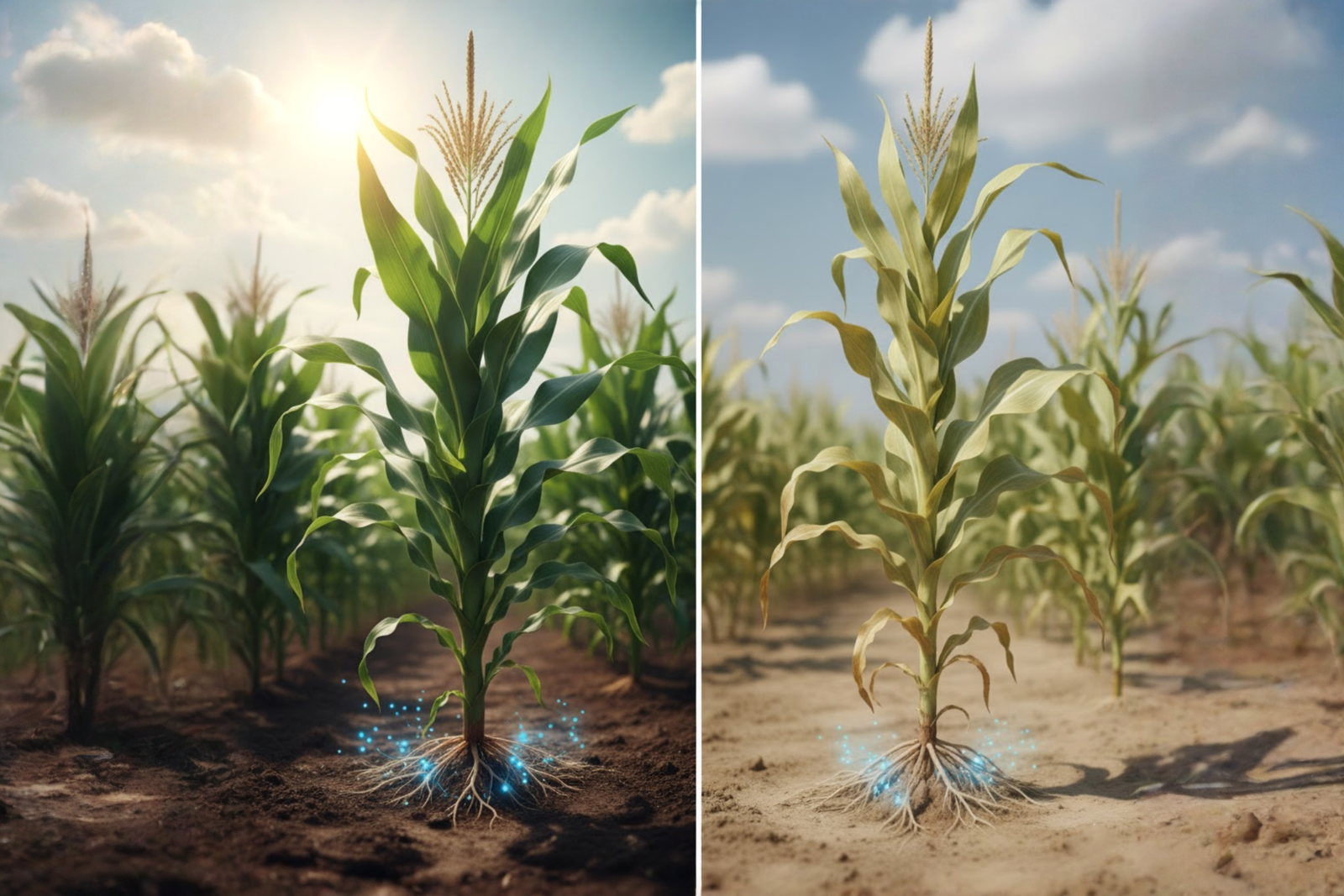
Nitrogen is an essential element in agriculture; without sufficient amounts, plants suffer from weak growth, reduced productivity, and deteriorated fruit quality. However, wise use, considering soil, environment, and plant needs, can significantly increase production while minimizing negative environmental impacts.
References
-
-
Ye, J. Y., Tian, W. H., & Jin, C. W. Nitrogen in plants: from nutrition to the modulation of abiotic stress adaptation. Stress Biology, 2022; 2(1):4. SpringerLink
-
Wang, Q., Li, S., Li, J., & Huang, D. The Utilization and Roles of Nitrogen in Plants. Forests, 2024; 15:1191. MDPI
-