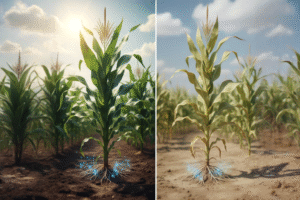


Potassium (chemical symbol K) is one of the essential macronutrients that plants require in large quantities. This element is vital for physiological and biochemical functions, helping plants grow healthily, resist stress, and improve both the quality and yield of crops. Although soils often contain considerable amounts of total potassium, the portion available for plant uptake is usually limited and depends on several factors such as soil type, pH level, and environmental conditions.
Physiological Functions of Potassium
- Stomatal Regulation:
Potassium plays a key role in the movement of ions within guard cells, allowing plants to control water loss and gas exchange—an essential mechanism during drought or high temperatures. - Photosynthesis Support:
Potassium enhances photosynthetic efficiency by contributing to chlorophyll formation, electron transport, and osmotic balance within cells. Its deficiency limits CO₂ absorption and reduces the plant’s energy and food production. - Enzyme Activation and Metabolic Processes:
Over 60 plant enzymes require potassium for proper activity, including those involved in protein synthesis, carbohydrate metabolism, starch production, and sugar conversion. - Phloem Transport:
Potassium facilitates the movement of sugars and nutrients from leaves to other plant parts such as roots and fruits, directly affecting growth and yield quality. - Stress Tolerance Enhancement:
Under drought, salinity, or temperature extremes, potassium helps plants maintain water balance, protect against oxidative stress (Reactive Oxygen Species), and preserve cell structure and integrity.
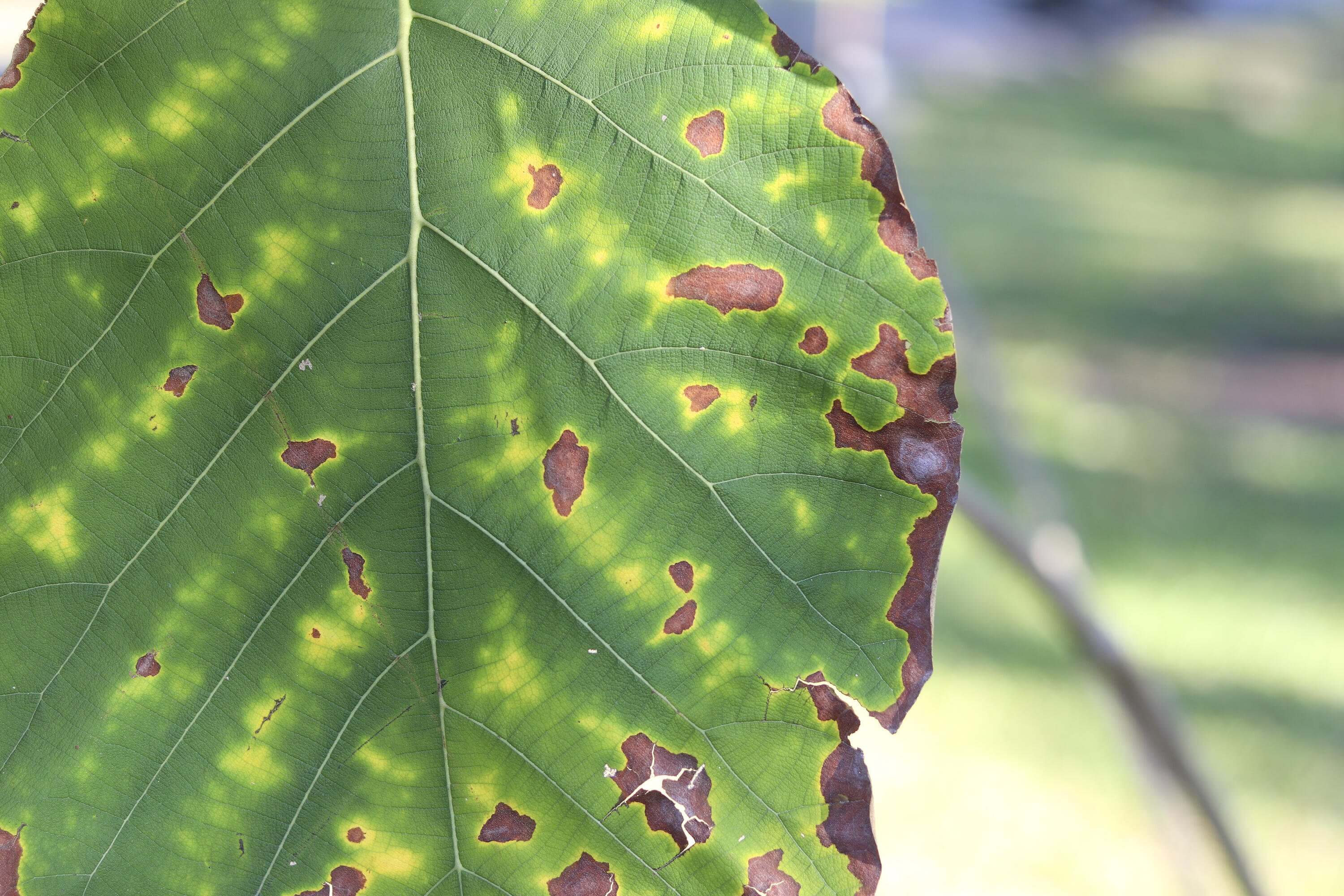
Symptoms of Potassium Deficiency
- Leaf yellowing, particularly at the edges, with dark or necrotic spots along margins.
- Poor growth, limited root branching, and weak root systems that reduce nutrient uptake.
- Increased susceptibility to pests and diseases due to weakened cell walls and plant immunity.
- Reduced fruit quality or yield—smaller, unevenly colored, or poorly flavored fruits.
Factors Affecting Potassium Availability in Soil
- Soil pH: Highly acidic or alkaline soils can immobilize potassium, making it less available to plants.
- Soil Texture and Organic Matter: Sandy soils lose potassium quickly through leaching, whereas clay and organic soils retain it more effectively.
- Salinity and Water Stress: High salinity or drought reduces potassium mobility and absorption efficiency.
Practices to Improve Potassium Use Efficiency
- Regular soil testing to determine available potassium levels and diagnose deficiencies accurately.
- Applying readily available potassium fertilizers (such as potassium sulfate or potassium nitrate) at proper growth stages like vegetative, flowering, or fruit-setting phases.
- Optimizing irrigation management to enhance potassium distribution in soil solution for efficient uptake.
- Adding organic matter (compost or plant residues) to improve soil structure and potassium retention.
- Using crop varieties tolerant to low potassium conditions and employing precision agriculture techniques for targeted nutrient management.
Conclusion
Potassium is a cornerstone of successful agriculture—not just for boosting growth or yield, but for improving crop quality and resilience against environmental challenges. Its deficiency leads to visible and detrimental effects, while balanced and intelligent potassium management enhances productivity and sustainability. Smart potassium use—combined with soil analysis, balanced nutrition, and proper environmental management—is the key to achieving strong plants and abundant harvests.
References
- “Potassium in plants: Growth regulation, signaling, and environmental stress tolerance.” Plant Physiology and Biochemistry, 2022. ScienceDirect
- “Potassium: A Vital Regulator of Plant Responses and Tolerance to Abiotic Stresses.” Agronomy, 2018, 8(3), 31. MDPI
- “Modulation of potassium transport to increase abiotic stress tolerance in plants.” Journal of Experimental Botany, 2023. OUP Academic
- “Potassium deficiency significantly affected plant growth and development as well as microRNA-mediated mechanism in Wheat (Triticum aestivum L.).” Frontiers in Plant Science, 2020–2021. PubMed
- “The role of potash in plants.” Potash Development Association (PDA). pda.org.uk